20% OFF
Air Purifying
Tell us how to reach you — we will contact you when it becomes available.
Thank you. Your request has been received. We will contact you when this product becomes available.
 29% OFF

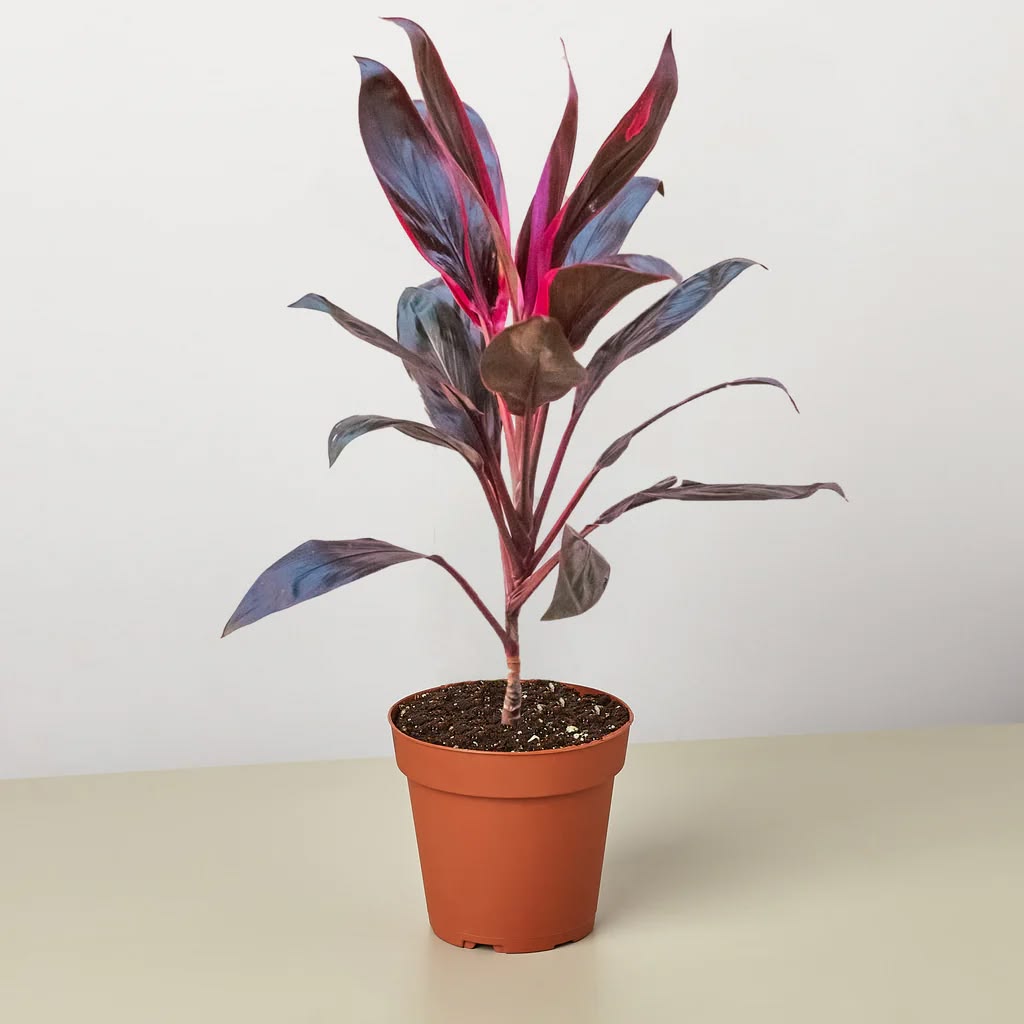
The Cordyline Fruticosa 'Tango' is a vibrant, eye-catching plant known for its bold, glossy leaves in shades of deep red, burgundy, and pink. Native to Southeast Asia and the Pacific Islands, this hardy, colorful plant is a Good Mood favorite for adding dramatic color to living rooms and sunny balconies across Bangladesh.
Botanical Specifications
Plant Origin & Characteristics
Growth Level & Maintenance
Ideal Placement
Living room, balcony, and bright indoor corners needing a bold pop of color.
Frequently Asked Questions
Is Cordyline Tango safe for pets?
No, it is toxic if ingested — especially to cats — and should be kept away from pets and children.
Can Cordyline Tango be grown outdoors on a balcony?
Yes, it handles bright light and some direct sun well, making it a great choice for sunny balconies in addition to bright indoor spots.
Why is my Cordyline Tango losing its red color and turning green?
Insufficient light is the most common cause — move it to a brighter spot to help restore vivid coloring.
Order your Cordyline Fruticosa 'Tango' online in Bangladesh from Good Mood — every plant comes with a full care guide, safe packaging, and doorstep delivery in Dhaka.
Key Benefits
Care Guide
Watering: Water weekly. Let soil partially dry between waterings. Use room-temperature, filtered water.
Light: Best in bright indirect light, which brings out the most vivid coloring; can also handle some direct morning sun on a balcony. Avoid harsh direct afternoon sun indoors near glass.
Humidity: Target 50–60% humidity. Mist leaves 2–3 times weekly or use a pebble tray. Wipe leaves monthly with a damp cloth.
Temperature: Maintain 18–25°C. Avoid cold drafts and AC vents below 15°C.
Fertilizing: During the growing season (March–October), feed every 4 weeks with a balanced fertilizer. Reduce frequency in winter.