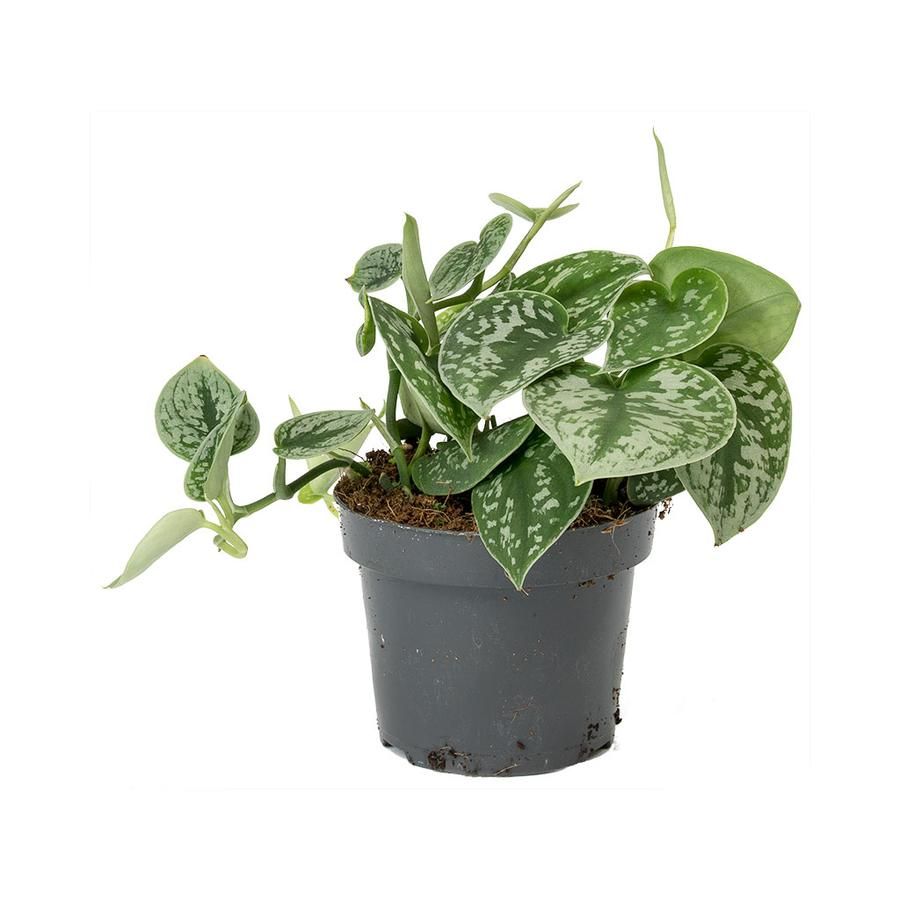

The Satin Pothos (Scindapsus pictus), also known as Silver Pothos, is an elegant trailing vine prized for its velvety, heart-shaped leaves splashed with striking silver-grey patches. Native to Southeast Asia and imported directly from India, this slower-growing relative of the classic Pothos brings a sophisticated, textured look to homes and offices across Bangladesh.
Botanical Specifications
- Botanical Name: Scindapsus pictus
- Also Known As: Silver Pothos, Satin Pothos
- Native Region: Southeast Asia (Philippines, Indonesia)
- Import Source: India
- Common Name: Satin Pothos
Plant Origin & Characteristics
- Native Habitat: Tropical forest floor and tree trunks (climbing epiphyte in the wild)
- Growth Pattern: Trailing or climbing vine
- Appearance: Velvety, heart-shaped dark green leaves with silver-grey speckled variegation
Growth Level & Maintenance
- Skill Level: Beginner-Friendly
- Maintenance: Low-Maintenance
- Growth Speed: Slow to Moderate (slower than Golden Pothos)
- Mature Size: Trailing/Cascading
- Lifespan: Long-lived houseplant with proper care
Key Benefits
- Air-Purifying: Contributes to improved indoor air quality
- Distinctive Foliage: Rare velvety texture and silver pattern, different from typical glossy houseplants
- Compact & Versatile: Great for shelves, hanging baskets, or climbing a moss pole
- Easy Care: Forgiving and low-maintenance, ideal for beginners
- Pet Caution: Mildly toxic if ingested — keep away from pets and children
Ideal Placement
Shelves, hanging baskets, desks, and bathrooms with good indirect light.
Care Guide
Watering: Water when the top 2–3 cm of soil feels dry. Avoid overwatering, which can cause root rot.
Light: Medium to bright indirect light for best variegation; tolerates lower light with slower growth. Avoid direct harsh afternoon sun.
Humidity: Prefers 50%+ humidity; appreciates slightly more humidity than standard Golden Pothos. Mist regularly or use a pebble tray.
Temperature: Maintain 18–27°C. Avoid cold drafts and temperatures below 15°C.
Fertilizing: During the growing season (March–October), feed monthly with a diluted, balanced fertilizer. Skip feeding in winter.
Frequently Asked Questions
Is Satin Pothos the same as Golden Pothos?
No — despite the similar name, Satin Pothos (Scindapsus pictus) is a different species from Golden Pothos (Epipremnum aureum), with velvety silver-patterned leaves instead of glossy gold-marbled ones.
Is Satin Pothos safe for pets?
No, it is mildly toxic if ingested and should be kept away from pets and children.
Why has my Satin Pothos lost its silver pattern?
Insufficient light is the most common cause — move it to a brighter, indirect-light spot to help restore the variegation.
Order your Satin Pothos (Scindapsus Pictus) online in Bangladesh from Good Mood — every plant comes with a full care guide, safe packaging, and doorstep delivery in Dhaka.
📊 Botanical Specifications
- Botanical Name: Satin Pothos (Scindapsus Pictus) – India Import
- Origin & Native Region: Tropical Regions
- Common Names: Satin Pothos (Scindapsus Pictus) – India Import
- Category: Air Purifying Plants
🌍 Plant Origin & Characteristics
- Native Habitat: Tropical Regions
- Natural Growing Conditions: Found in subtropical to temperate regions
- Growth Pattern: Upright / Bushy
- Appearance: Lush green foliage
📈 Growth Level & Maintenance
- Skill Level: Beginner-Friendly
- Maintenance: Low-Maintenance
- Growth Speed: Moderate to Fast-Growing
- Lifespan: Long-lived houseplant
✨ Key Benefits & Features
- Air-Purifying: Removes common indoor air pollutants
- Stress Relief: Adds greenery and natural beauty
- Visual Impact: Enhances interior spaces
- Easy Care: Forgiving and resilient
- Pet Consideration: Keep away from pets
💧 Watering
Water the plant when the top layer of soil becomes slightly dry. Avoid keeping the soil continuously waterlogged.
☀️ Light
Keep the plant in bright indirect light. Avoid prolonged exposure to harsh direct sunlight.
🌱 Soil
Use a well-draining potting mix that allows excess water to drain freely and keeps the roots healthy.
🌡️ Temperature & Humidity
Keep the plant in a warm environment with moderate humidity. Protect it from extreme temperatures and cold drafts.
✂️ Pruning & Maintenance
Remove yellow, damaged or dead leaves regularly. Occasional pruning helps maintain a clean and healthy appearance.
🌿 Fertilizing
Feed with a balanced indoor-plant fertilizer during the active growing season according to the fertilizer instructions.